
Divine grace is essential for self-realization. But grace is vouchsafed only to him who is a true devotee or a yogi. it is given to those who have striven hard and ceaselessly on the path of freedom.
Need for practice
Divine grace is essential for self-realization. But grace is vouchsafed only to him who is a true devotee or a yogi. it is given to those who have striven hard and ceaselessly on the path of freedom.

So long as one thinks he has a form the world and God too have forms
When one is the formless self,? Who is there to see?
It is itself the eye, complete, limitless: Maharishi Ramana.

Meditation is not different from daily life; do not go off into a corner of a room and meditate for ten minutes, and come out of it and be a butcher. meditation is one of the most serious things; you do it all day, in the office, with the family, when you to say somebody ‘I love you’, when you are considering your children, when you educate them to become a soldiers, to kill to be nationalizing, worshiping the flag,educating them to enter into this trap of modern world.watching all that ,realizing your part in it,all that is part of meditation.
And when you so meditate you will find in it and extraordinary beauty ; you will act rightly at every movement; and if you do not act rightly at a given movement, it does not matter , you will pick it again– you will not waste time in regret.meditation is a part of life ,not something different from life; J.Krishnamurti.

All religions begin with the existence of the individual,? The world and God. So long as the ego lasts these three will remain separate
To abide, egoless, in the self, is the best: Maharishi Ramana.

The ‘I’ thought is the first to die for those who have taken refuge ,out of fear of death, at the feet of the conqueror of death. therefore they are, naturally immortal.
Can they ever again be assailed by the fear of death.? : Maharishi Ramana.
Swami Amarjit’s comments; according to practice of Maharishi Ramana when we starts to observe the mind. our thoughts starts to minimize and we can understand that ‘I’ is the mother thought in our mind from other starts. by observation when too much practice has made then there is absence of the “I” thought and at the same movement a new ‘I’ comes into being witch is experience of bliss or eternal peace, or Self-realization.

Verse 15
Is there any action left for the exalted yogi abiding steadily in the self ( natural state ), having destroyed the mind?M.R.

The ‘I’ thought is the first to die for those who have taken refuge, out of fear of death, at the feet of the conquering of death. Therefore they are naturally immortal. Can they ever again be assailed by fear of death? : Maharishi Ramana.


Verse 7.
Constant natural meditation like the steady flow of ghee or a stream of water is better than intermittent contemplation…. Maharishi Ramana.
Comments; The meaning of Ramana MahariShi is, we have to practice of Observation or self inquiry as a flow of a stream, as the flow is constant going on it never stop. like this our practice should be without gaps.
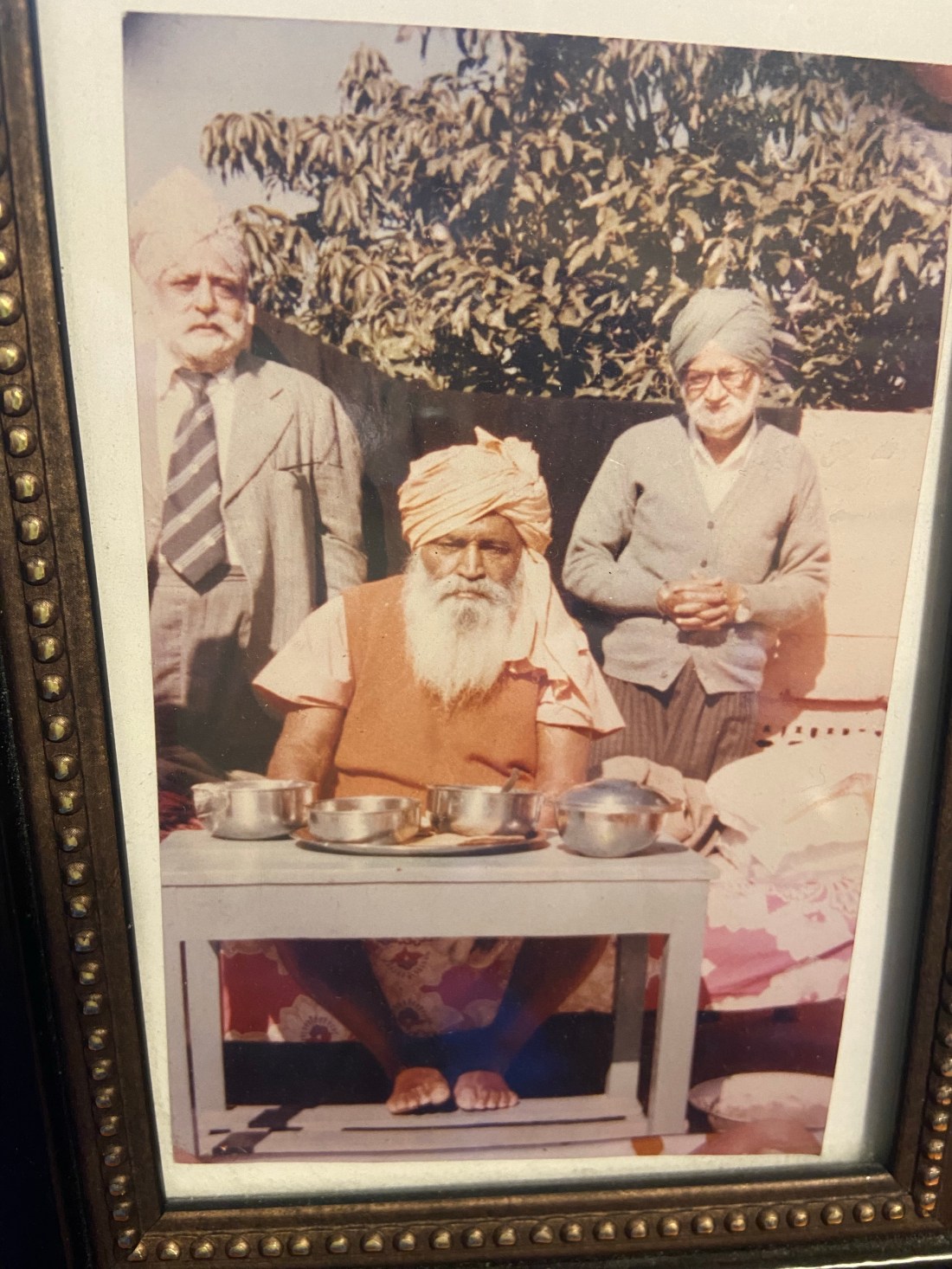
Can there be knowledge without ignorance?
Can ignorance exists without knowledge?
Searching the source of the individual, to whom they pertain
and abiding there is true knowledge: Maharishi Ramana.
Comment: if we inquire about this, the mind will emerge in the self. As Maharishi used to say, ‘I’ thought is the mother thought of other thoughts. When we inquire like this, our thoughts will emerge in the true self or Atmanam( Soul). Then, a new dimension of bliss will appear. It can be done by repeating this method, which is ‘Self-inquiry,’ according to M.R. Teaching.

