
The mind.
The mind becomes quiescent by regulation of breath, like a bird caught in a net. This is means of mind control; Maharishi Ramana.
Comments; if one cannot do watching of mind he can watch his breath. Mind and breath come from the same source of life. it is very clear.
Mind control.
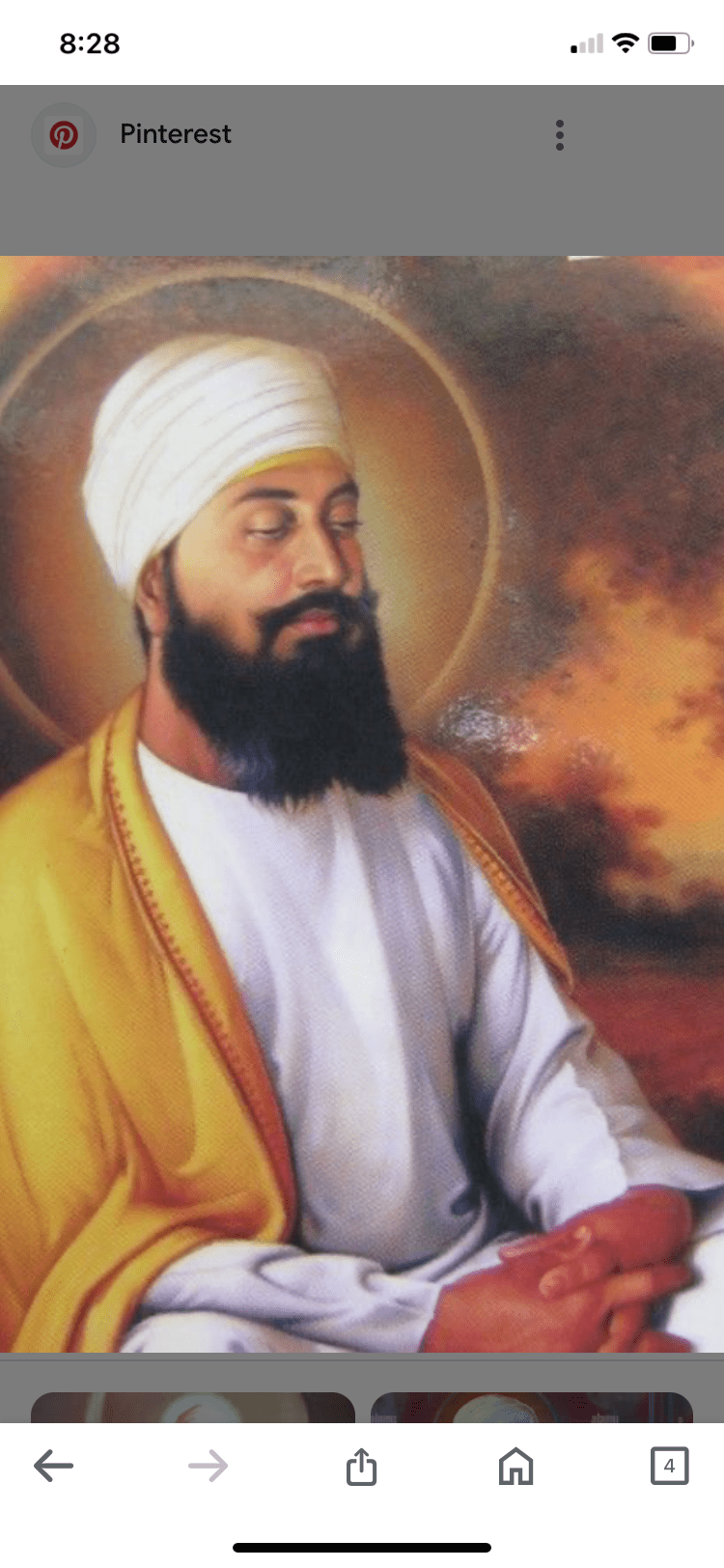
The merging of mind and breath is ‘Dhyana’ and it leads to the natural state when it becomes deeper and firm ; Maharishi Ramana.
Comments; when with your practice mind starts to merging in the self or by watching the flow of breath it leads you to your natural state. This is also self-realization.
Bhagavad Gita.
Chepter 6, solaka2.
Grammarly

The Bhagavad Gita
Chapter 6, Solaka 2; what they call renunciation that is also is Yoga because without leaving the fruit of karma no one can attain self-realization which is sannyasi.
If someone is his practice of meditation but his desires are there he wants to be, ‘ slow down his thoughts ‘ but his desires will come between ‘ then he will be disappointed. That is why the first step is karma yoga. doing work without wanting fruit. and then self-abidance.
Need for practice.
Divine grace is essential for realization. But grace is vouchsafed only to him who is a true devotee or a yogi.it is given to those who have striven hard and ceaselessly on the path to freedom. —Maharishi Ramana.
Meaning of Maharishi that grace is very necessary for self-realization, but who has been working hard on it .
Untitled document – Google Docs
Bhagavad Gita.
Let a man lift himself by himself; let it not degrade himself; for the self alone is the friend of the self and the self alone is the enemy of the self.
Dhammapada;’ The self is the lord of the self; the self is the goal of self.’ The supreme is within us.it is consciousness underlying the ordinary individualized consciousness of everyday life but incommensurable with it. the two are different in kind, though the supreme is realizable by one who is prepared to lose his life in order to save it. for the most part we are unaware of the self because our attention is engaged by objects which we like or dislike.we must get away from them ,to become aware the divine in us. if we do not realize the pointlessness
Mind

The body is insentient; the self does not rise. within the body’s limit, an ‘I’ rises between the body and self. It is named ‘ego’, ‘knot of matter and spirit’ , ‘bondage’, ‘subtle body and ‘mind’.; Maharishi Ramana.
Comments; These words are not from an ordinary person; the words of Maharishi come from “Samadhi’. Maharishi lived in eternal bliss every time. it is the state of self-realization. mostly he lived in silence. but sometimes, for the people who reached there and asked some questions then, he used to speak a few words for their spiritual growth. so, as I understand these words. Our body works with the light of self. Otherwise, it is “jade ( insentient). As an electric fan can not work without electric current likewise our body takes conscience from self or “Ataman” and can do its functions. As yogis said that “I’ which is called “ego’ rises between the body and self which is called a ‘knot of matter and spirit.’ this is mind,subtle body or Jiva.
 eternalpeace.blog