Vadanta

Vedanta is the spiritual truth, where there is no place for rituals or studying holy books. There are so many books about this subject, such as Upanishads, but these books help us gain supreme knowledge, and as students, we should study such books. But this knowledge is merely for our understanding of intellectual knowledge or only memory. Real knowledge is behind intelligence.

At the time of clouds, we can not see the blue sky. But when there are no clouds, we can see the Blue sky. Likewise, we can not take the experience of Bliss when thoughts are in our minds. But by Observing the mind, we can understand or experience ourselves. Language can not describe it. That is why Upanishads said? Nati, meaning we describe this as our best but can’t describe it because it is a matter of meditation, not of languages.

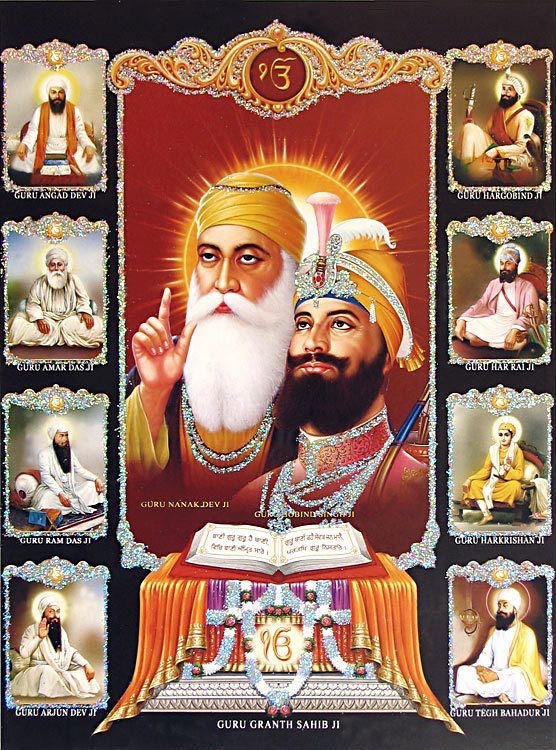
The Bhagavad Gita.

Chapter 2, Solaka 58.

As a tortoise draws his limbs (into the shell) likewise, a yogi draws his senses from worldly objects or the objects of the senses from every side. This is the art of meditation, when we draw the mind inside by using any method such as observation,nam Japa,observing our breath Vipassana. now what we are doing ? we are trying to withdraw our senses from outside (worldly objects) that is called (Antarmukha); then by practicing these methods we can find that eternal bliss or eternal peace in our hearts. which language never can describe. it is our destination.

Second question of Raman Gita:

Is the study of scriptures enough by itself to liberate those desirous of knowledge, or is spiritual practice according to the master’s injunction also necessary?

Answer by Maharishi Ramana:

The seeker of knowledge is not achieved by a study of the scriptures. Without upasana, there can not be attainment for him: this is firm.

Experiencing the natural state, during spiritual practice, is called upassana, and when that state becomes firm and permanent, that itself is called jnana.

When discarding senses objects, one abides in one’s own self or true nature as a flame of juana. This state of being is termed sahaja sthiti.

Sri Ramana Gita

This book contains some questions and answers asked by Ganapathi Muni, as his follower. He wrote in Sanskrit, it is translation of that version.

I bow to Maharishi Ramana, son of Siva in human form, and set forth his teachings in lucid work.On the 29th cold December of 1913, in the Christian era, all the disciples were seated around with attentive minds. I asked Bhagavan Ramana for definite answers.

First question: Is mukti ( liberation ) to be had by mere discrimination between the real and unreal or other means for ending bondage?

Answer: Abidance in the self alone releases one from all bonds. Discrimination between the real and unreal leads to non-attachment.

The jnani is unfathomable: he always abides alone in the Self. He doesn’t consider the universe as unreal or different from him.

Upadesa Saram

Verse 28: A conscious bliss ensures when one abides as the self, by inquiring who is the true import of ‘I’ ? This bliss is spontaneous, indestructible and limitless; Maharishi Ramana.

Comments: First of all, this is a matter of self-inquiry. as Maharishi described it. When we look at the mind, it starts to lose its existence. In the end, there will be a thought of ‘I’ it is the mother thought of the mind. It is called Ahem Vitti. And after this, a new thing starts from there. It is bliss. We can not describe it in our languages. That is the real way to self-inquiry. That is why Upnisdas declared it by Nati nati means that we tried our best but can’t explain it. You can feel it but you are helpless to explain it.

Problems and solutions.

We should not sleep too much or go without it altogeather ,but sleep only moderately . to prevent too much sleep ,we must try and have no much thoughts. we must eat sattvic food and that too in moderate measure and not indulge in too much physical activity.

Self-inquiry

Question to Maharishi Ramana.

Pilli asked the question in 1902 when Maharishi Ramana was silent. The answer was given in writing.

How long, should the inquiry be practised?

Answer: As long as there are impressions of the objects in the mind, so long as the inquiry “Who am I ?” is required. As thoughts arise they should be destroyed and then and there in the very place of their origin, through inquiry. If one resorts to contemplation intermittently until the self is gained, that alone would do. As long as there are enemies within the fortress they will continue to Sally forth; if they were destroyed as they emerge, the fortress will fall into our hands.

There is no need to comment on it. The subject is clear.

Grace

Your very desire for grace is due to grace that is already working in you.

Comments; When we are seeking grace for us it means that we already know that grace is there but we do not understand it. So our desire for it shows that in our hearts we are missing something.this is meaning of Maharishi Ramana.

Need for practice.

Effort is necessary up to the stage of realization. Even then, the self should spontaneously become evident,otherwise happiness would not be complete.Up to the stage of spontaneously, there must be an effort, in some form or other ; Maharishi Ramana.

How will the mind become quiescent?

This question was asked by Sri Pilli in1902 when Maharishi Ramana was in Virupaksa cave.

Answer; by inquiry “Who am I”? The thought “Who am I” will destroy all others thoughts, like the stick used for stirring the burning pyre, it will itself in the end get destroyed. Then there will arise self-realization.